Mold After Water Damage Restoration: Prevention and Treatment Guide
Published: 2026-04-19 · By BasaltDry Water Damage Restoration
Picture this: a sudden spring thaw follows a relentless winter, creating the perfect storm for water damage in your Denver home. As freezing temperatures give way to warming days, your basement may become a swimming pool filled with melted snow and rainwater. Unfortunately, the aftermath isn't just water. If the moisture is not addressed properly, mold begins to take root, posing serious health risks and leading to costly repairs. In a city known for rapid temperature changes and unique building challenges, understanding the prevention and treatment of mold post-water damage is crucial for homeowners.
Why This Matters for Denver Homeowners
Mold growth following water damage is not just a nuisance; it can lead to serious health problems for your family and costly repairs for your home. In Denver's climate, where rapid temperature swings are common, pesky moisture becomes a breeding ground for mold, especially in structures built on expansive clay soils that may not drain effectively. With the added challenge of heavy spring snowmelt, many homeowners find themselves facing potential mold issues swiftly after water damage incidents. Mold can begin to form within 24 to 48 hours of exposure to moisture, and once it establishes, it can be difficult and expensive to eliminate.
More than just an inconvenience, mold can exacerbate respiratory issues and trigger allergies, making it essential to act quickly. Furthermore, homes in Denver often deal with specific building codes and drainage challenges, complicating the restoration process. Many are unaware that local authorities have strict climate considerations to ensure homes are equipped to handle such unique weather patterns.
Mold not only threatens your health but can also compromise your home's structural integrity over time. Therefore, understanding how to prevent and treat mold after water damage is vital to safeguard your family's wellbeing and protect your Denver home.
Expert Solutions & Actionable Tips
1. Identify and Address Water Sources Immediately
When you discover water damage, pinpointing the source is your first step. In Denver, heavy snowfall and rain can lead to roof leaks or basement flooding. A roofing leak can cost between $300 and $1,000 depending on the severity. Use a moisture meter to check for hidden dampness in walls and floors.
For those not comfortable climbing rooftops or inspecting basements, calling a local professional like BasaltDry Water Damage Restoration can simplify the process and ensure nothing is overlooked. Acting swiftly can save you from bigger bills later on.
2. Utilize Dehumidifiers Post-Damage
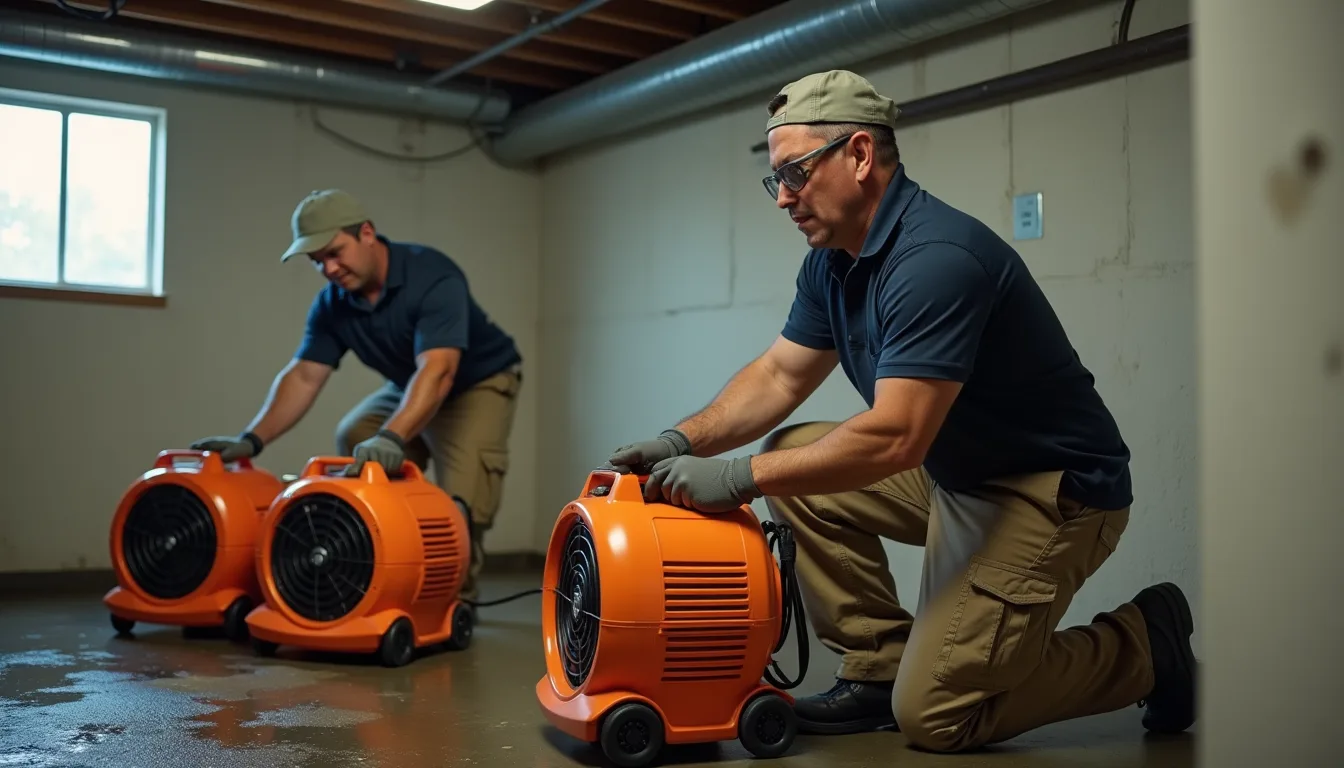
Once the immediate source of water is eliminated, using dehumidifiers can help reduce humidity levels in your home. Renting a commercial-grade dehumidifier may cost around $50 to $100 a day but can significantly expedite drying times. Within just days, you can lower humidity, which indirectly prevents mold from settling.
Moreover, recently renovated homes in Denver may already have built-in systems; knowing your home’s systems is especially important in mold prevention. Place dehumidifiers strategically in areas prone to moisture retention.
3. Implement Proper Ventilation
In homes affected by water damage, improving ventilation is crucial for treating existing mold and preventing future issues. This could be as simple as opening windows during warmer days to promote airflow. Installing exhaust fans, particularly in kitchens and bathrooms, is essential and can cost between $200 and $400 per unit.
In the Denver metropolitan area, increasing airflow balances moisture levels, which is vital given the dry climate can create harsh indoor environments. Regularly check your home for blocked vents and ensure they operate efficiently.
4. Choose Mold-Resistant Building Materials
If you're undergoing renovations post-water damage, consider mold-resistant materials. Products like mold-resistant drywall and paint can range from $10 to $15 per panel and dramatically lower the chances of mold re-establishment. Denver’s builders and remodelers increasingly recommend these materials to combat humidity and moisture.
Additionally, when building new structures or additions, integrating these materials into your plans can enhance your home’s overall resilience to mold-related issues.
5. Conduct Routine Inspections
Frequent inspections of your home’s vulnerable areas—basements, attics, and around plumbing—is vital. Schedule an annual checkup, preferably as seasons change, to look for water damage or early signs of mold. Hiring professionals for a thorough assessment usually costs around $300 but can provide peace of mind in a climate prone to drastic shifts.
Additionally, staying in tune with your home’s needs is essential, especially considering Denver’s unique building challenges, such as expansive clay soils that require diligent drainage planning.
6. Act on Any Signs of Moisture
The presence of water stains, musty odors, or visible mold should never be ignored. Reacting quickly can save you hundreds in restoration costs. Cleaning minor mold infestations yourself may be feasible with a commercial cleaning solution, while significant infestations will need professional intervention, costing anywhere from $1,000 to $3,000 based on severity.
Recognizing these signs early enables homeowners to maintain safer and healthier living environments in Denver's unpredictable climate.
Denver Climate & Local Context
Denver's distinctive climate and building environment play significant roles in mold development post-water damage. The high altitude and rapid temperature fluctuations mean that homes often experience thermal expansion and contraction, impacting structural integrity. Making efficient drainage systems vital, many Denver homes are built on expansive clay soils that can exacerbate water retention issues even in light rains.
Moreover, local building codes require specific protocols to ensure homes resist water damage. Understanding these codes is essential for homeowners looking to renovate or repair to avoid running afoul of regulations. Ensuring compliance not only protects your home but also helps in maintaining a mold-resistant environment.
When to Call a Professional
Taking a DIY approach may feel tempting, especially for minor water damage, but knowing when to call a professional is key. Many homeowners underestimate the complexity involved in water damage restoration, which is where seasoned experts, like BasaltDry Water Damage Restoration, come into play. If you experience any of the following scenarios, it's best to reach out to a professional:
- Water damage covers an area larger than 10 square feet.
- Severe flooding is present, affecting more than your immediate area.
- Visible mold growth is apparent.
- Persistent odor of mold or mildew lingers even after cleanup.
- Water source is uncertain or involves sewage.
- Structural weakness in the home is suspected.
Handling water damage restoration requires comprehensive knowledge and specialized equipment. Opting for professional services ensures effective remediation, preventing further damage and mold issues long-term.
Frequently Asked Questions
What should I do first if I discover water damage in my home?
Immediately turn off the water source if possible and call a professional for assessment. BasaltDry Water Damage Restoration specializes in diagnoses, ensuring your home is safe.
How can I tell if mold is developing after water damage?
Look for musty odors, visible mold spots, or increased allergy symptoms in your household. These signs usually indicate moisture issues and potential mold growth.
Are there specific building regulations in Denver regarding water damage restoration?
Yes, Denver has specific codes to address construction materials and practices in water-damaged areas to ensure safety and mold prevention.
Do insurance policies cover mold damage?
Most policies will cover mold damage if it stems from sudden and accidental water damage. However, consulting with your insurance agent is essential for clarity.
How long does the water damage restoration process typically take?
Using professional services, the restoration can take from a few days to several weeks depending on the severity of the damage and response times.
Get Expert Water Damage Restoration Service in Denver
Don't let mold threats linger in your home any longer. For effective, efficient water damage restoration and mold prevention strategies, contact BasaltDry Water Damage Restoration at (720) 821-9154. Let us help you secure your Denver home against the elements.
Safeguarding your home starts with a simple call; reach out to our experts today for a comprehensive assessment.
More Articles
DIY vs Professional Water Damage Restoration: When to Call the Experts
2026-04-19
Water Damage RestorationHow to Choose the Best Water Damage Restoration Company in Denver
2026-04-19
Water Damage RestorationWhat to Expect During a Professional Water Damage Restoration Assessment
2026-04-19