Common Water Damage Restoration Myths Debunked by Denver Experts
Published: 2026-04-19 · By BasaltDry Water Damage Restoration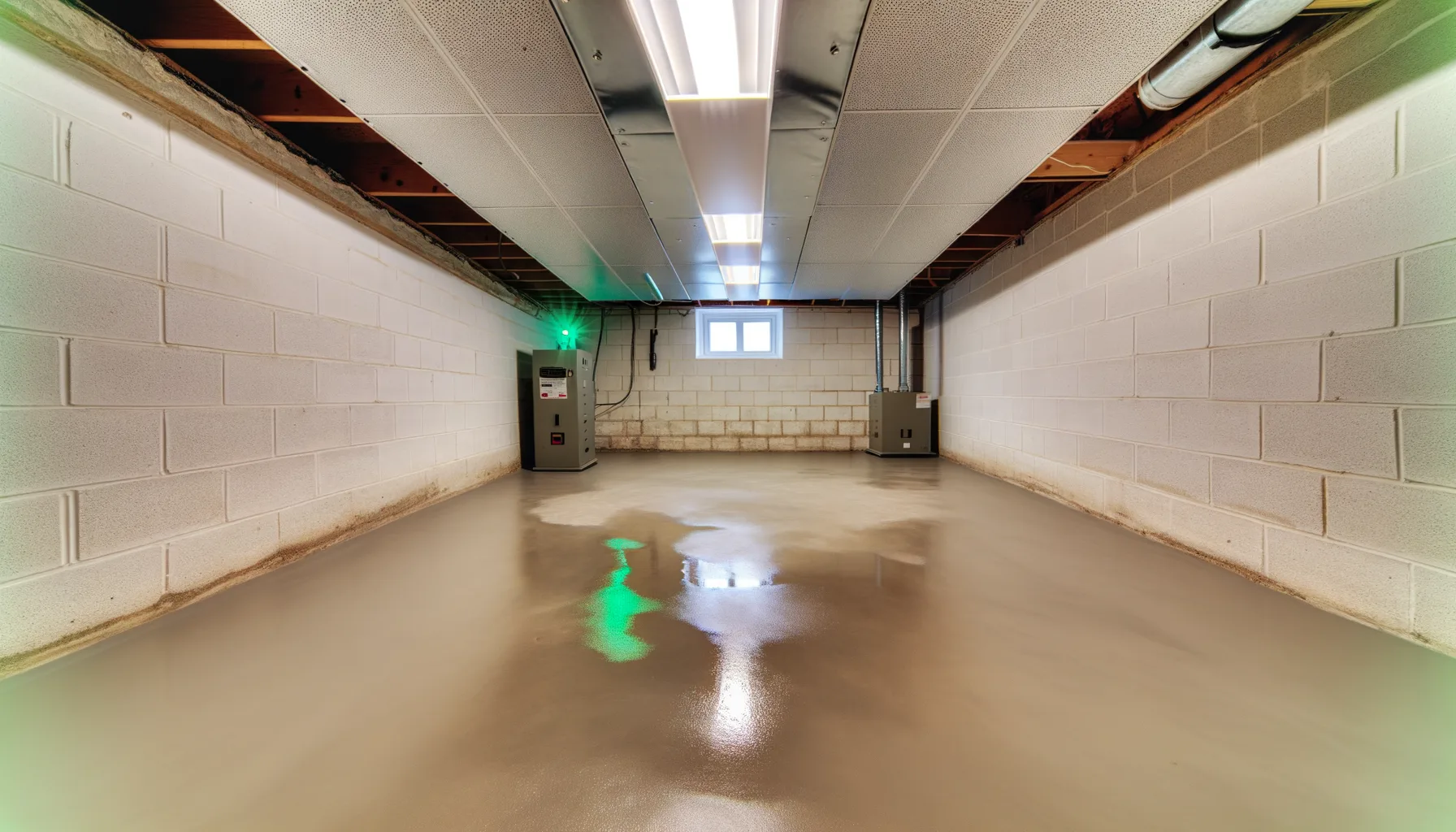
Imagine waking up one spring morning in Denver, only to find your basement flooded after yet another hail storm. Rapid temperature swings and heavy snowmelt often collide, creating the perfect storm for water damage in homes, especially those built on expansive clay soils. This situation isn’t just a nuisance; it could lead to significant structural issues, health risks from mold, and unexpected repair bills. Homeowners need to be aware of the myths surrounding water damage restoration to safeguard their properties effectively.
Why This Matters for Denver Homeowners
Misconceptions about water damage restoration can leave many Denver homeowners vulnerable. One prevalent myth is that water damage remediation is a simple DIY task. While some minor issues can be tackled alone, significant water damage requires professional intervention to ensure safety and thorough restoration.
In Denver's unique climate, with its freeze-thaw cycles, what seems like a minor leak can quickly evolve into a more severe issue. Ignoring the signs can escalate problems, potentially costing thousands in repairs. Expansive clay soils can complicate drainage, meaning proper assessment and intervention are crucial.
Tip: Always check for hidden moisture behind baseboards and under carpets after any water event. These unseen puddles can lead to mold and structural concerns if neglected.
An alarming number of Colorado homes experience water-related damage without homeowners realizing it until it's too late, highlighting the demand for accurate knowledge and swift action.
Expert Solutions & Actionable Tips
1. Assess the Source of Water Damage
Before calling for restoration services, homeowners should identify the source of water intrusion. Colorado's spring weather can cause sudden leaks due to snowmelt or hail damage, particularly in older homes. Quick identification can help mitigate further damage, saving on costs which can range from $500 for minor repairs to over $5,000 for widespread remediation.
If a source isn't accurately detected, prolonged damage can escalate costs dramatically. Engaging a professional can expedite this assessment.
2. Be Wary of Mold
In Denver's fluctuating climate, mold can thrive in damp environments, emerging within 24-48 hours after water damage. Ignoring mold can result in health issues and expensive treatments, costing between $500 to $6,000 depending on infestation severity.
It’s essential to consider proper moisture treatment and air circulation after any water exposure to prevent a mold outbreak.
3. Timing Matters
Speed is crucial in water damage restoration. In Denver, the fluctuating temperatures mean that delays can lead to increased damage. Water extraction should begin within hours of the incident for optimal outcomes. Hiring a professional restoration service can mean the difference between salvaging materials and needing complete replacements.
Professionals can also expedite the drying process, which may take anywhere from 24 hours to several days, based on the severity of the damage.
4. Drying Techniques
Effective drying is crucial after any water event. In Denver, relying on air drying can be inefficient due to humidity levels. Professional services typically deploy industrial fans and dehumidifiers, which can effectively reduce moisture levels within a few days, sometimes even 48 hours for smaller incidents.
This method not only mitigates damage but also prevents mold growth, which could otherwise require invasive remediation.
5. Insurance Considerations
Understanding your insurance policy is key to managing water damage restoration costs. Many Colorado homeowners might be unaware that standard homeowners' insurance often covers sudden water damage, like burst pipes or hail damage. However, damages like gradual leaks may not be included.
It’s advisable to speak with your insurance provider after an incident to determine coverage specifics.
6. Permits and Local Regulations
In Denver, any substantial water damage restoration may require permits, especially if structural changes or significant repairs are involved. Homeowners should consult local building codes, as failing to comply can result in fines or having to redo work at additional costs.
A restoration professional can help navigate these complexities, ensuring that all work meets local regulations without prolonged delays.
Denver Climate & Local Context
Denver’s unique climate poses significant challenges for homeowners, especially when it comes to managing water damage. Rapid temperature changes and frequent hailstorms contribute to vulnerabilities in homes, particularly those built on expansive clay soils that require special drainage solutions. The freeze-thaw cycles in early spring further exacerbate the risk of water issues, leading to potential structural challenges if not monitored closely.
Building codes in Denver have evolved to address these issues, particularly regarding drainage and foundation integrity. When planning any repairs, it's essential to consult the city’s building regulations. Knowledge of what to expect from local weather patterns can help homeowners anticipate potential water damage and take preventative measures.
When to Call a Professional
Determining whether to tackle water damage issues yourself or call a professional hinges on the severity of the situation. Minor leaks can often be handled without professional assistance, but discerning the line between minor and major damage can be challenging in Denver’s environment.
- Unexplained moisture in walls or ceilings
- Standing water present after a storm
- Visible mold growth
- Water stains spreading over time
- Harsh musty odors
- Significant flooding within the home
In these cases, it’s often wiser to engage a restoration professional who can ensure thorough damage assessment, adequate repairs, and adherence to local regulations, protecting both the structure and your health.
Frequently Asked Questions
What should I do if my basement floods?
In the event of flooding, immediately turn off your electricity and water supply, and contact a professional service like BasaltDry Water Damage Restoration for swift action. Quick remediation is crucial to prevent further damage and mold growth.
How long does the restoration process take?
The timeline for restoration varies based on damage extent. Minor issues might be resolved within a couple of days, while significant damage could take weeks. BasaltDry can provide a detailed estimate upon assessing the situation.
Will insurance cover water damage?
Many homeowners insurance policies cover sudden and accidental water damage, but not all policies cover gradual leaks. Contact your insurance provider for specifics to ensure you understand your coverage.
Can I prevent water damage in my home?
Regular maintenance is critical. Ensure proper drainage around your property, regularly inspect plumbing, and be vigilant for signs of leaks, especially during melting season and after storms.
How do I know if I have mold?
If you notice musty smells, visible stains, or unexplained health issues, it’s essential to check for mold. A professional inspection can assess hidden areas effectively.
Get Expert Water Damage Restoration Service in Denver
For Denver homeowners dealing with water damage, understanding the myths and realities of restoration can save both time and money. Take action today to protect your home from future incidents. If you need expert assistance, don't hesitate to call (720) 821-9154 today!
BasaltDry Water Damage Restoration is here to help Denver residents navigate their water damage challenges with expertise and care.
More Articles
DIY vs Professional Water Damage Restoration: When to Call the Experts
2026-04-19
Water Damage RestorationMold After Water Damage Restoration: Prevention and Treatment Guide
2026-04-19
Water Damage RestorationHow to Choose the Best Water Damage Restoration Company in Denver
2026-04-19